“With the roar of the fire, my heart rose to its feet Like the ashes of ash I saw rise in the heat Settle soft and as pure as snow I fell in love with the fire long ago”
Would That I, Hozier
Dear Friend,
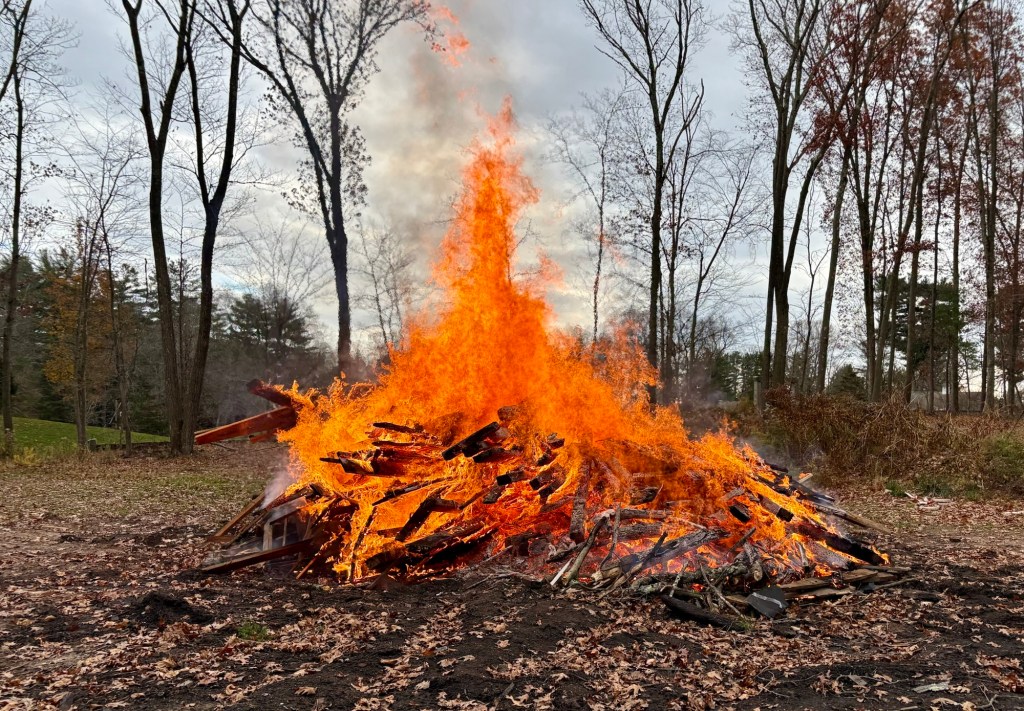
Today, I’ve begun to think differently about fire. It’s not just a combustion reaction requiring heat, fire, and oxygen. The applications of fire are limitless. To exercise some baseball savvy, I would go as far as to say it is a five-tool player. At any rate, here’s why:
It thoroughly describes the human emotion; passion that is.
Arguable Charlotte Bronte’s greatest work – Jane Eyre – uses the ravenous roars of fire very well. When a blazing fire strikes Thornfield Hall, the flames mirror the passion and secrecy looming over the Rochester household. The secrecy of a former wife occupying the attic. Dodgy, very dodgy. Would not recommend.
In Macbeth, the audience finds Lady Macbeth sleepwalking. The motif of a flame is used through Lady Macbeth’s necessity of candlelight. This flickering light represents what is left of her good conscience trying in vain to ward off the dark. The consuming darkness which is her guilt.
Lastly, we cannot forget the great song, “Smoke gets in your eyes”, by the Platters. “When a lovely flame dies. Smoke gets in your eyes”. Passion. Passion!
The duality of fire
Fire has the unique ability to nurture and sustain life. And in the glow of these veracious flames is an indicator of knowledge. In Greek mythology, the titan Prometheus gives fire to humans. And by doing so helps them become unique, putting them on a trajectory towards civilization.
BUT! Fire also brings swift destruction. Left uncheck, blazes consume all in its path leaving only raging flickers of lights. Fire feeds on what was. It licks off the timbers of a forest that used to be. Grain by grain it grows and roars.
Anyways, enough about me. While there are endless faucets of fire, we gotta stop somewhere.

 Writings and waves